Nearly three decades after the brutal murder of six-year-old JonBenét Ramsey, the case remains one of the most disturbing and polarizing unsolved crimes in American history. Despite countless investigations, documentaries, books, and expert analyses, the truth behind what happened inside the Ramsey home on Christmas night in 1996 continues to elude justice.
Now, renewed scrutiny has shifted once again toward a deeply uncomfortable subject: the behavior of JonBenét’s brother, Burke Ramsey, and what it may—or may not—reveal.
 A CHILD AT THE CENTER OF A STORM
Burke Ramsey was just nine years old when his sister was found murdered in the family’s Boulder, Colorado home. From the very beginning, investigators and psychologists noted something unsettling—not evidence, but behavior that did not align with expectations of grief, fear, or confusion typically seen in children following trauma.
During early police interviews, Burke appeared remarkably calm, offering brief, vague answers and showing little visible emotional reaction. While some experts argue this may reflect shock or a child’s limited emotional processing, others believe it raises troubling psychological questions.
Importantly, no charges were ever filed against Burke, and he has consistently denied any involvement.
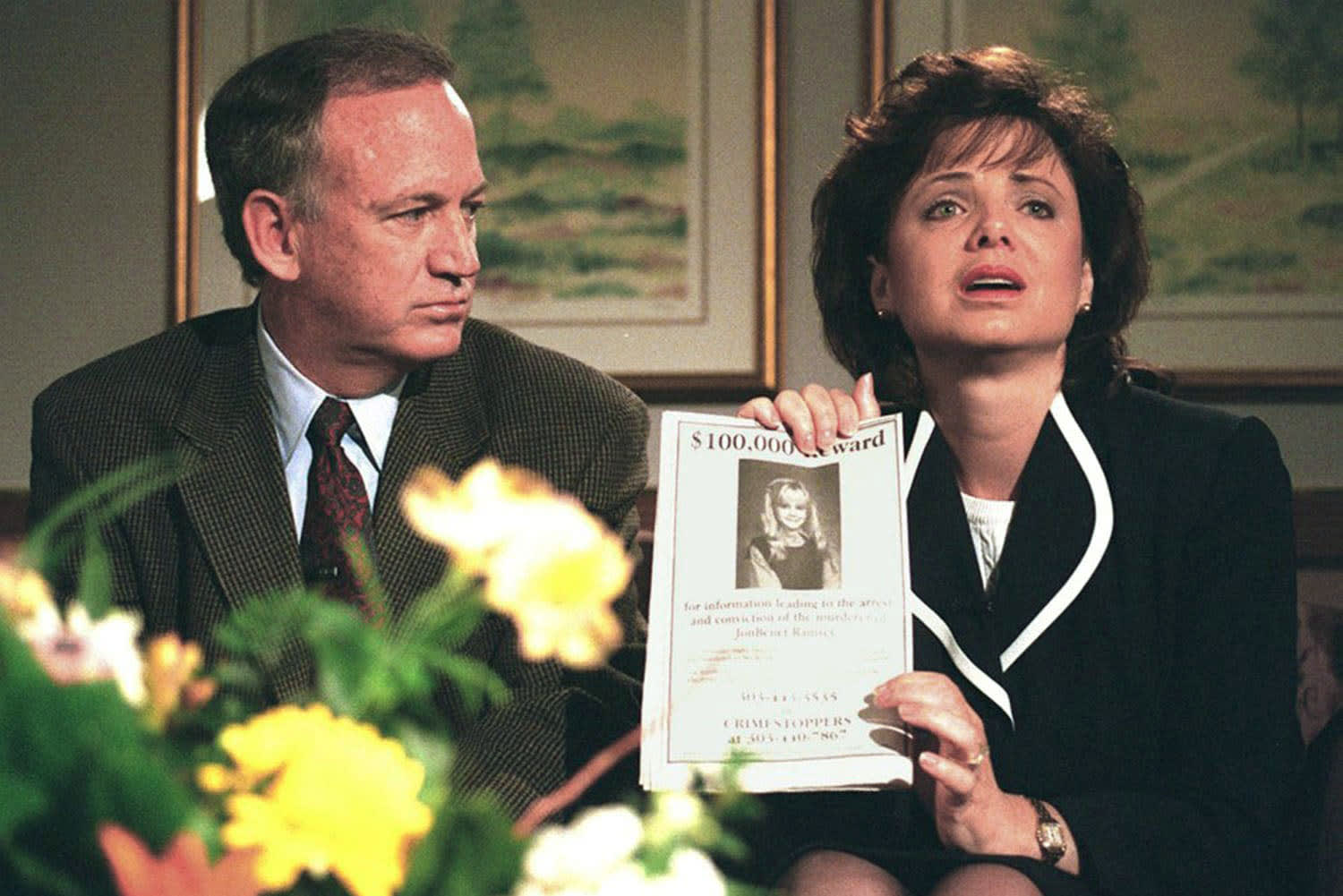
:max_bytes(150000):strip_icc():focal(722x171:724x173)/john-ramsey-jonbenet-father-112224-7babbf2f9e2a4e449ca064f13a48bd69.jpg) THE INTERVIEW THAT STILL HAUNTS INVESTIGATORS
THE INTERVIEW THAT STILL HAUNTS INVESTIGATORS
One of the most frequently cited moments comes from an interview conducted shortly after the murder with child psychologist Dr. Suzanne Bernard. In the session, Burke spoke casually about feeling safe in the very home where his sister had been killed—an observation that continues to divide experts.
Some forensic psychologists interpret this as emotional dissociation, a coping mechanism often seen in traumatized children. Others question whether such detachment could suggest suppressed knowledge or unresolved internal conflict.
A particularly controversial detail: Burke’s family drawing, created after the murder, reportedly omitted JonBenét entirely. While psychologists caution against over-interpreting children’s drawings, the omission has become a focal point for speculation.
 THE MEDIA SPOTLIGHT RETURNS — AND SO DOES DOUBT
In 2016, Burke broke years of silence in a nationally televised interview with Dr. Phil. The appearance reignited public debate almost instantly.
Viewers noted Burke’s nervous laughter, unusual body language, and difficulty articulating emotional responses when discussing his sister’s death. To some, this appeared suspicious. To others, it was the manifestation of a man who had lived under relentless suspicion since childhood.
Experts remain divided:
-
Was this simply anxiety under intense scrutiny?
-
Or did the interview reveal unresolved psychological scars from a deeply traumatic past?
No definitive conclusions were reached—but the questions multiplied.
THE MOST CONTROVERSIAL THEORY
Among the many theories surrounding the case, one of the most explosive suggests that JonBenét’s death may have resulted from a sibling altercation that escalated unintentionally, followed by a family cover-up to protect their remaining child.
It must be stated clearly:
This theory remains speculative and unproven, and has never been legally substantiated.
However, its persistence highlights the profound gaps in the investigation—gaps that allow speculation to flourish where certainty does not exist.
 A FAMILY TRAPPED BY SILENCE AND SUSPICION
The Ramsey family has long maintained their innocence, insisting that JonBenét was killed by an unknown intruder. Over the years, shifting investigative narratives, mishandled evidence, and intense media pressure have complicated the search for truth.
For Burke Ramsey, the burden has been uniquely heavy:
a child survivor who grew up under a microscope, forever linked to a crime he says he did not commit.
Whether his behavior reflects trauma, grief, neurodivergence, or something else entirely remains an open question.
WHY THE CASE STILL MATTERS
The JonBenét Ramsey case endures not only because of its tragedy, but because it exposes uncomfortable realities:
-
The fallibility of investigations
-
The danger of public speculation
-
The long-term psychological toll of unresolved trauma
After 28 years, no one has been held accountable.
And until definitive answers emerge, the case will continue to exist in a shadowy space between evidence and interpretation—where doubt thrives and certainty remains just out of reach.
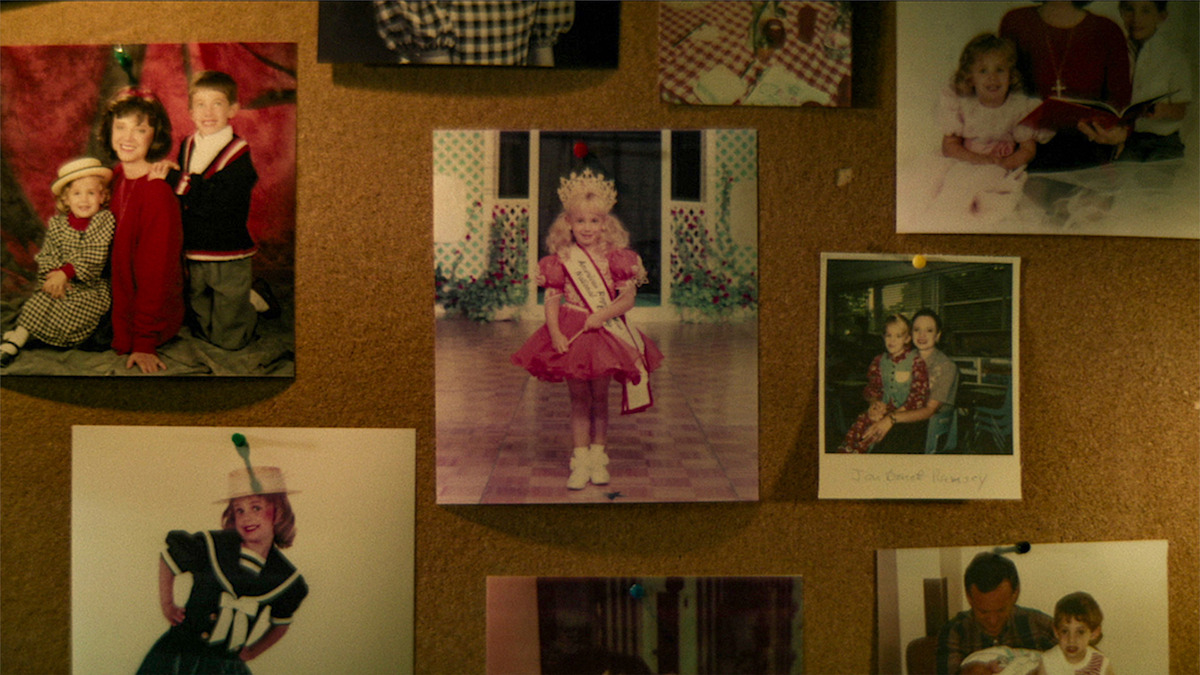 THE SEARCH FOR TRUTH CONTINUES
As forensic science advances and cold cases are re-examined with new tools, hope remains that one day the truth will finally surface.
Until then, the JonBenét Ramsey case stands as a chilling reminder that some mysteries refuse to stay buried, and that silence—whether born of trauma or secrecy—can echo for generations.
The questions remain.
The answers do not.